Ecological Design
Originally published on Project Nuevo Mundo (projectnuevomundo.blogspot.com) on 1 March 2011. Recovered from web archives in October 2026; the text is unchanged.
Every February, Project Bonafide, an ecological farm and community outreach program, hosts a permaculture design course on Isla de Ometepe, Nicaragua. Being one of the few permaculture courses oriented towards tropical agriculture, yours truly decided to seize the opportunity and get up to speed on a number of ecological design themes ranging from erosion prevention to water management to appropriate technologies to integrating animals into cycles of resources and energy. Permaculture is a system of regenerative agriculture and harmonization with the natural elements. The foundational ethics are care of the earth (preservation of functioning ecosystems and rehabilitation of damaged ecosystems), care of people (creating human-centered ecosystems), limits to growth and consumption, and a sharing of surplus.
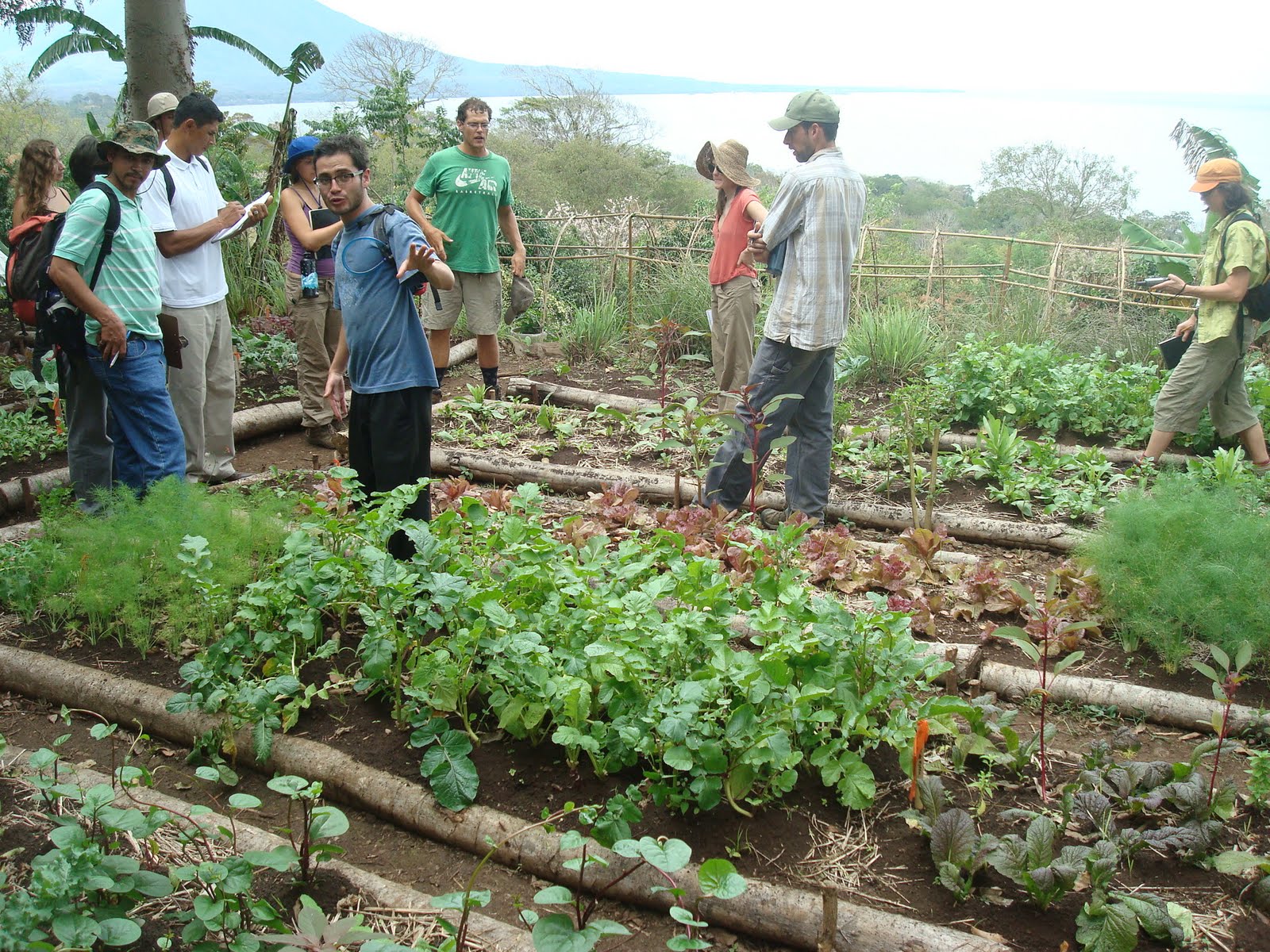
The project serves the local community in various ways: stimulating the local economy through the creation of on-site jobs and providing business to local hotels and restaurants during the courses offered, diffusing knowledge of permaculture through the provision of permaculture education scholarships to interested community members, hosting a seed and plant exchange event at the beginning of each planting season, and financing and managing a community center that serves nutritional meals to seventy children daily and hosts workshops and language classes open to the public.
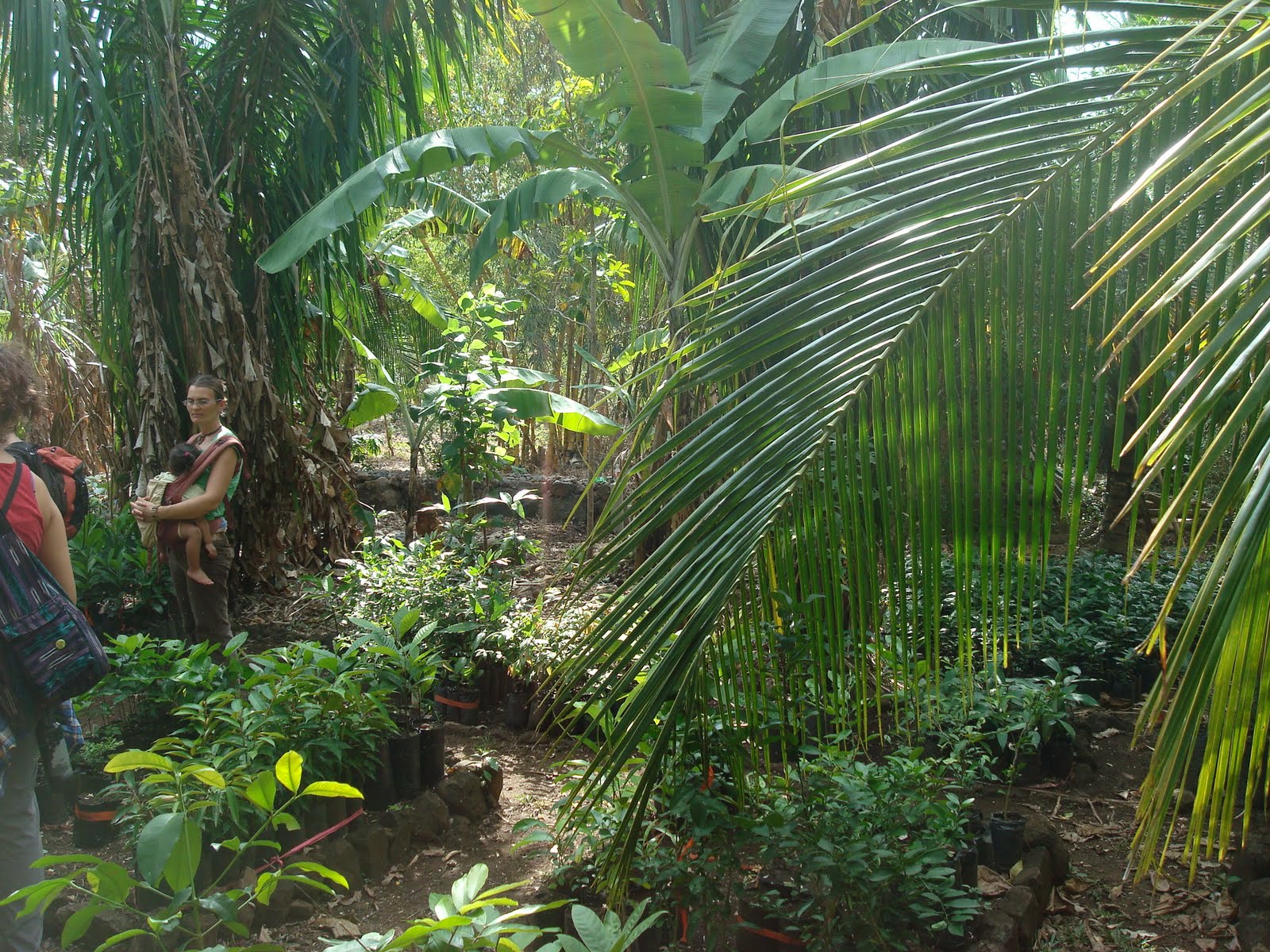
The site was designed with the intention of serving as an education grounds, clearly illustrating the concepts of ecological design. A notable point in the workshop model was the redirection of tuition money towards local hotels and restaurants, rather than building on-site accomodations for guests, which would cut the local economy out of the loop.
The class for 2011 consisted of approximately ten North Americans and five Nicaraguans from various parts of the country, including one from the local community of Balgue. The Nicaraguans are given a scholarship to attend the course, which would otherwise be prohibitively expensive. During the course, hands-on workshops were offered in composting, bamboo propagation, animal management, tree grafting, preparing fermented foods, analysis of oppressive societal structures, and soap-making. One morning, we toured local food forest gardens, which can be found in the front yard of almost any family compound on the Isla de Ometepe, generally comprising papaya, banana, mango, among other tropical fruit.
The soap workshop facilitator was a young Costa Rican chemist whose primary job was to simultaneously translate the course from English to Spanish, for the hispano-hablantes. He also offered the workshop to a group of local women, with the idea of forming an economically productive cooperative. At the end of the course, I invited him back to Guatemala, where he is scheduled to come give a workshop on our farm in utilizing avocado (a crop that we are harvesting upwards of 10 000 annually) in the production of oil, shampoo, cosmetics. Indigenous Guatemala is fertile ground for womens’ cooperatives, where there is already a storehouse of ancestral knowledge working with plants in the elaboration of medicines, cosmetics, artesanal products and dyes.
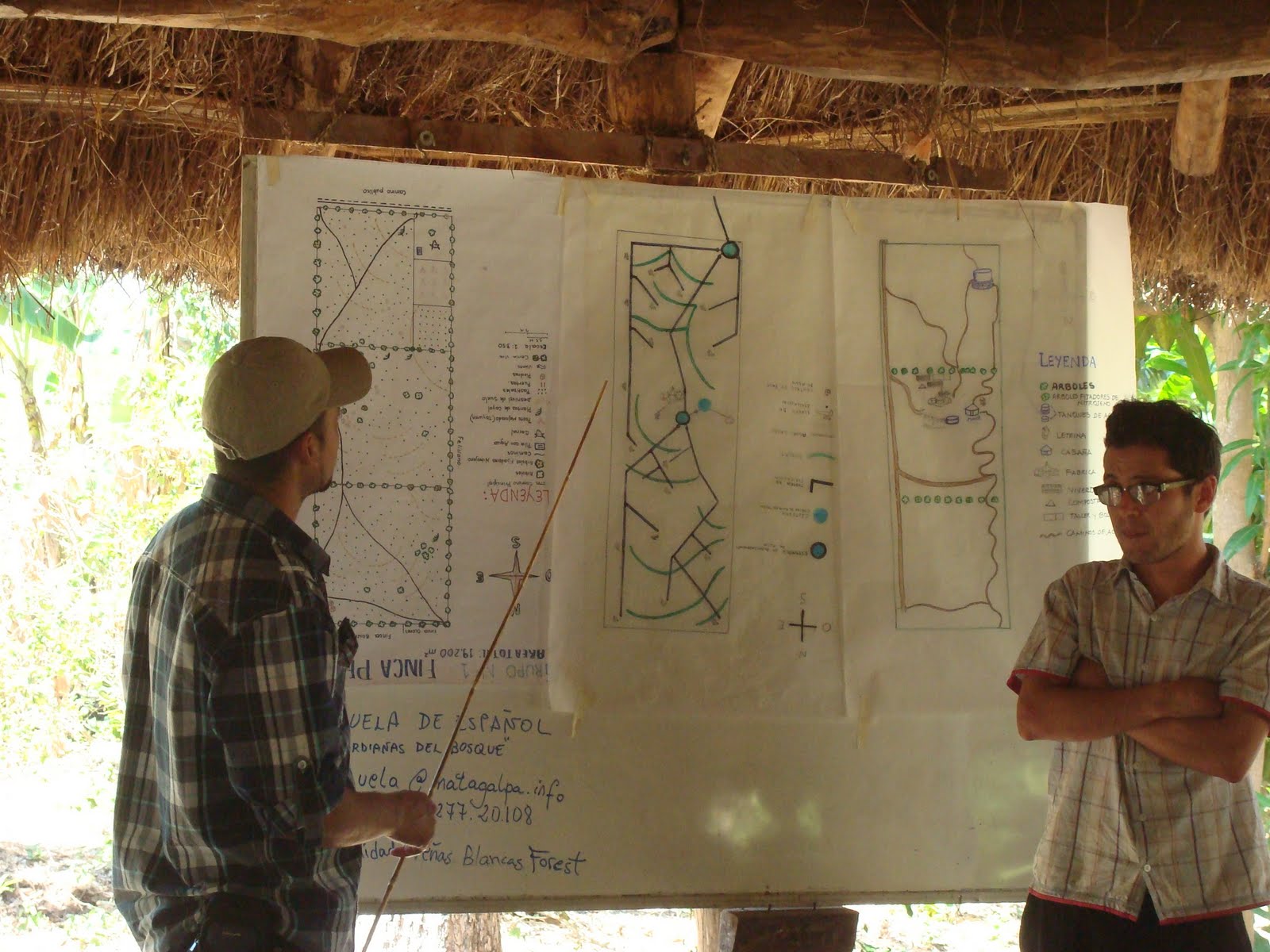
At the end of the course, the students were divided into four presentation groups, and “given” each a piece of land and an objective to implement, incorporating permaculture principles into the design. Projects ranged from a self-sufficient tropical retirement center to an ecological soap production center. Our group consisted entirely of Nicaraguans (excluding myself), and we have high hopes that our proposal will be put into action in the local community, where the very same Costa Rican chemist is planning to start a soap-making cooperative sourcing locally available natural materials as production inputs. The course concluded with a mandatory talent show, every student being obligated to perform as a precondition to receiving the permaculture design certificate. Humiliating and degrading experienced were predictably had by many!
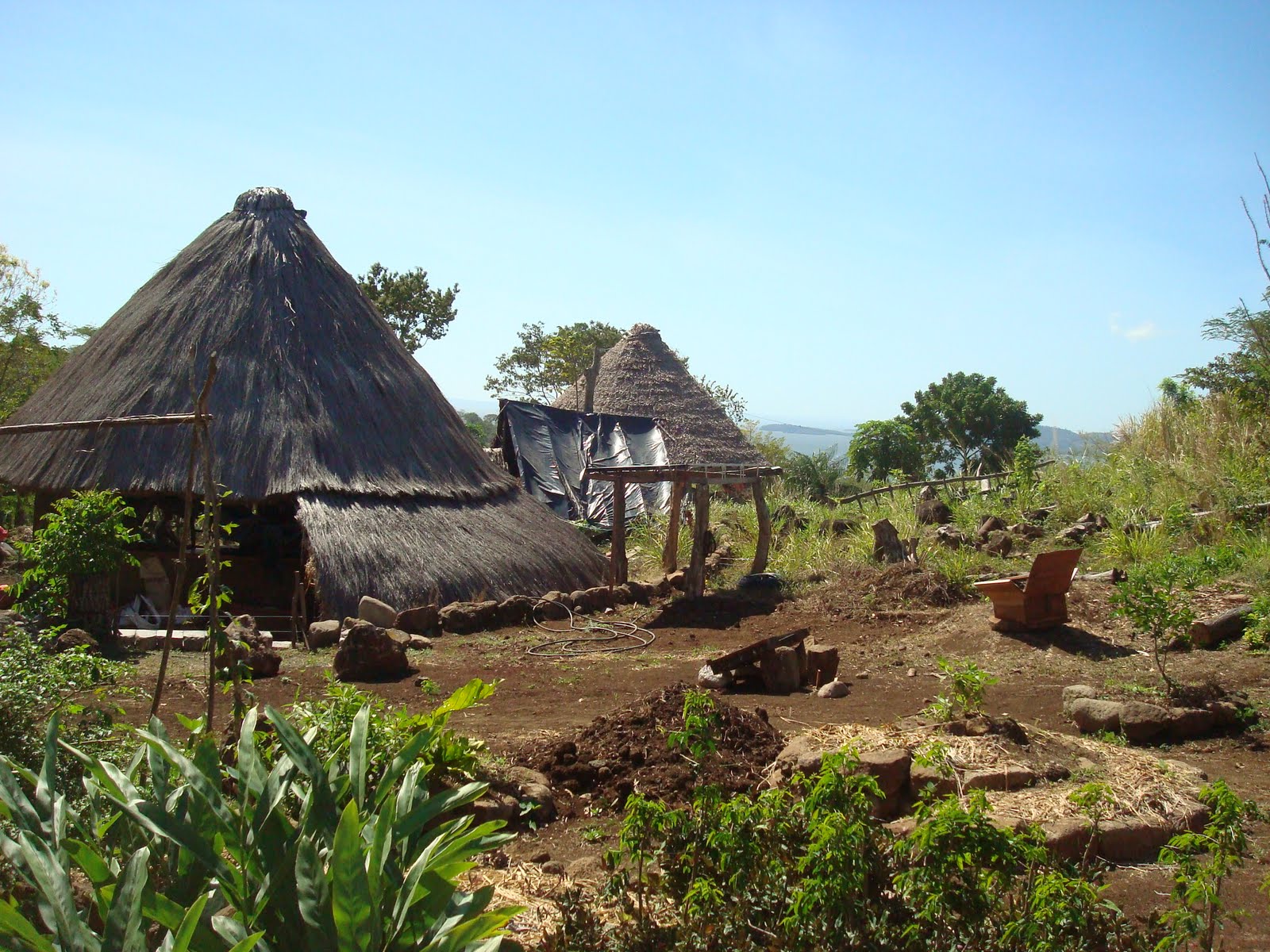
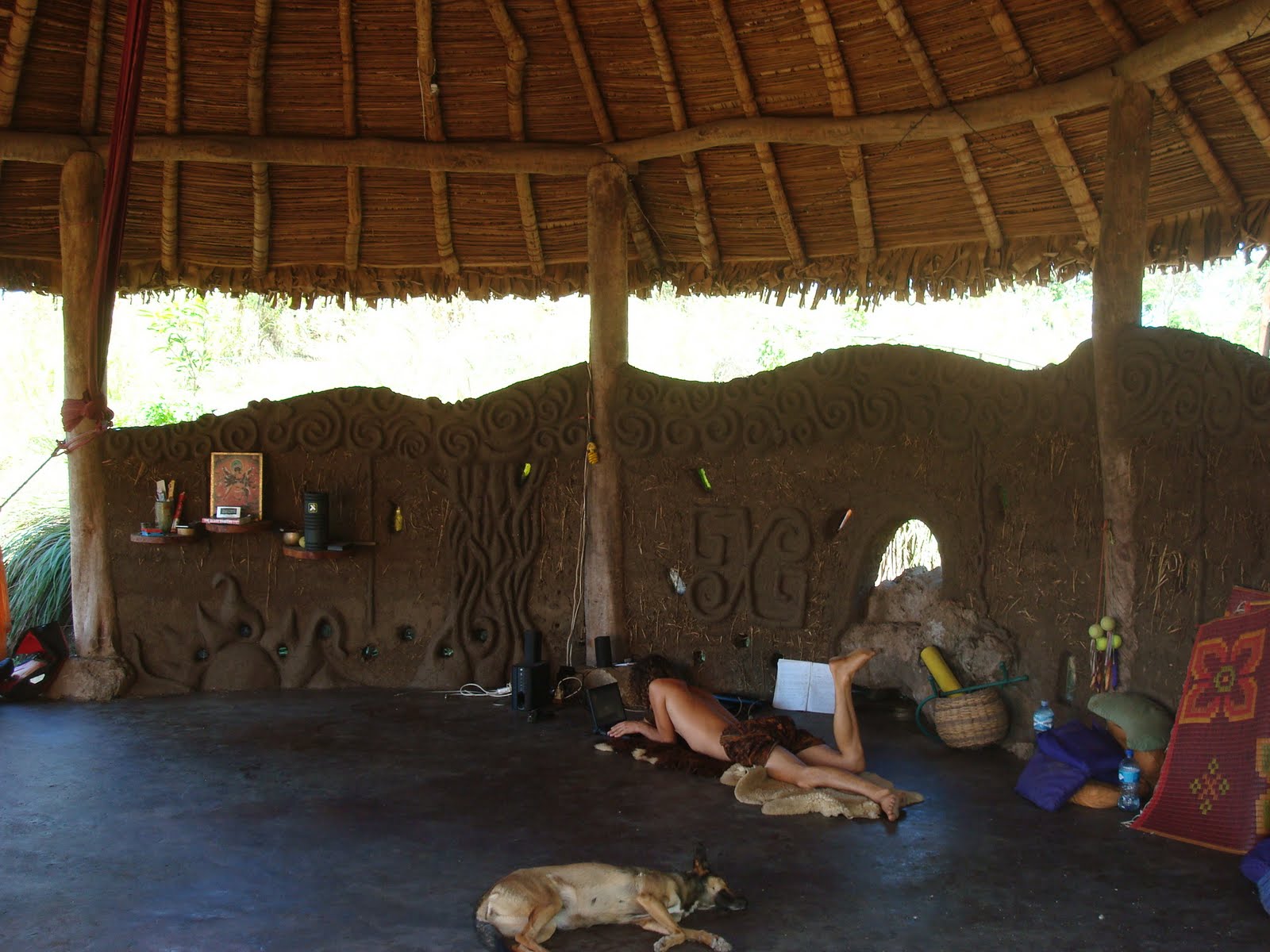
Before returning to Guatemaya, I took the opportunity to visit a neighboring ecological community that we had been swapping volunteers with for almost a year, Inan Itah, only an hour away by foot. The newly formed community is spiritual in focus, and facilitates a number of diverse workshops, most notably tantra. Yoga classes were also offered on a daily basis while I was on the site. They have also created a local economic initiative training local women in massage therapy, and then placing them in hotels around the island catering to foreign tourists. Inan Itah hosts an annual ecovillage design gathering, which was in full swing when I arrived. I was given the opportunity to present the work that we are doing, a summary of existing resources and information on traveler/work-exchange/volunteer internetworks, and the concepts and principles underlying the ecovillage network movement. After the discussion, I was approached by a beekeper and a software developer, who both expressed their desire to contribute their skills to the project.
Passing through Managua, I revisited an organization that I had been acquainted with previously, CEPREV (Centro de Prevencion de la Violencia). A group of psychologists doing beautiful work with at-risk youth and gang members, these ladies patrol Managua daily from one end to the other, quickly responding to crisis situations as they come up. Youth come to receive workshops at the CEPREV headquarters, where an integrated approach of personal counseling, group self-esteem exercises, and sharing sessions have proven so effective that the World Bank has supported the spread of this model to other Central American states.
Returning home on a chicken bus curving through the Guatemalan highlands, a back tire suddenly exploded and we careened forward with two tires up in the air, the conductor fighting to keep the bus from flipping over completely and descending down the mountain. By a miracle, the conductor managed to keep the bus grounded as the frame’s metallic screeching against the road eventually brought the bus to a halt. The bus was full of citizens of San Pedro la Laguna, and this was apparently the third or fourth hairy incident with a bus full of Pedranos, of whom it is said that angels are watching and protecting. Safe at home, we are now launching our first super adobe housing prototype, with the volunteer assistance of four professional architects.
Love and Light,
David